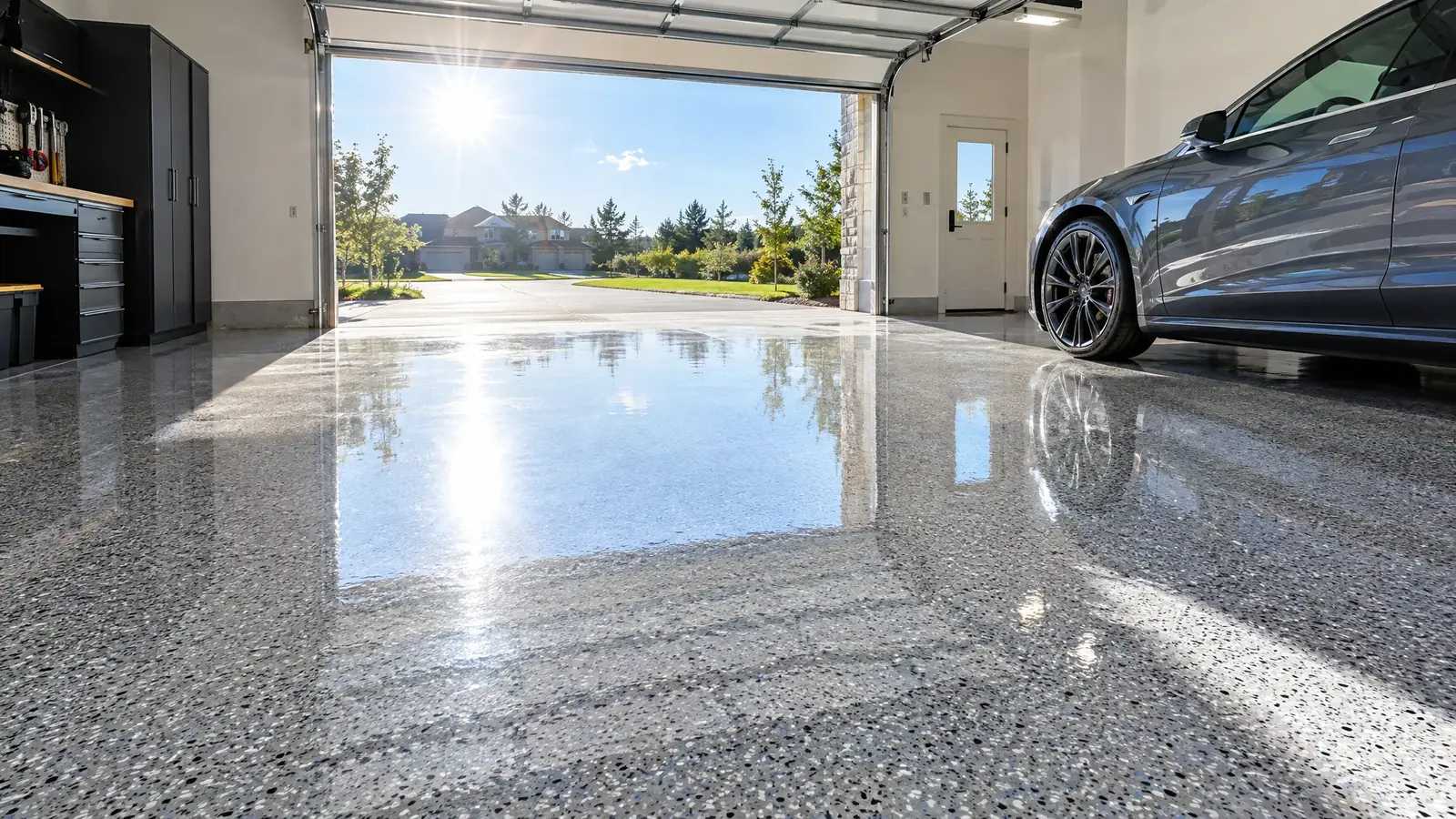
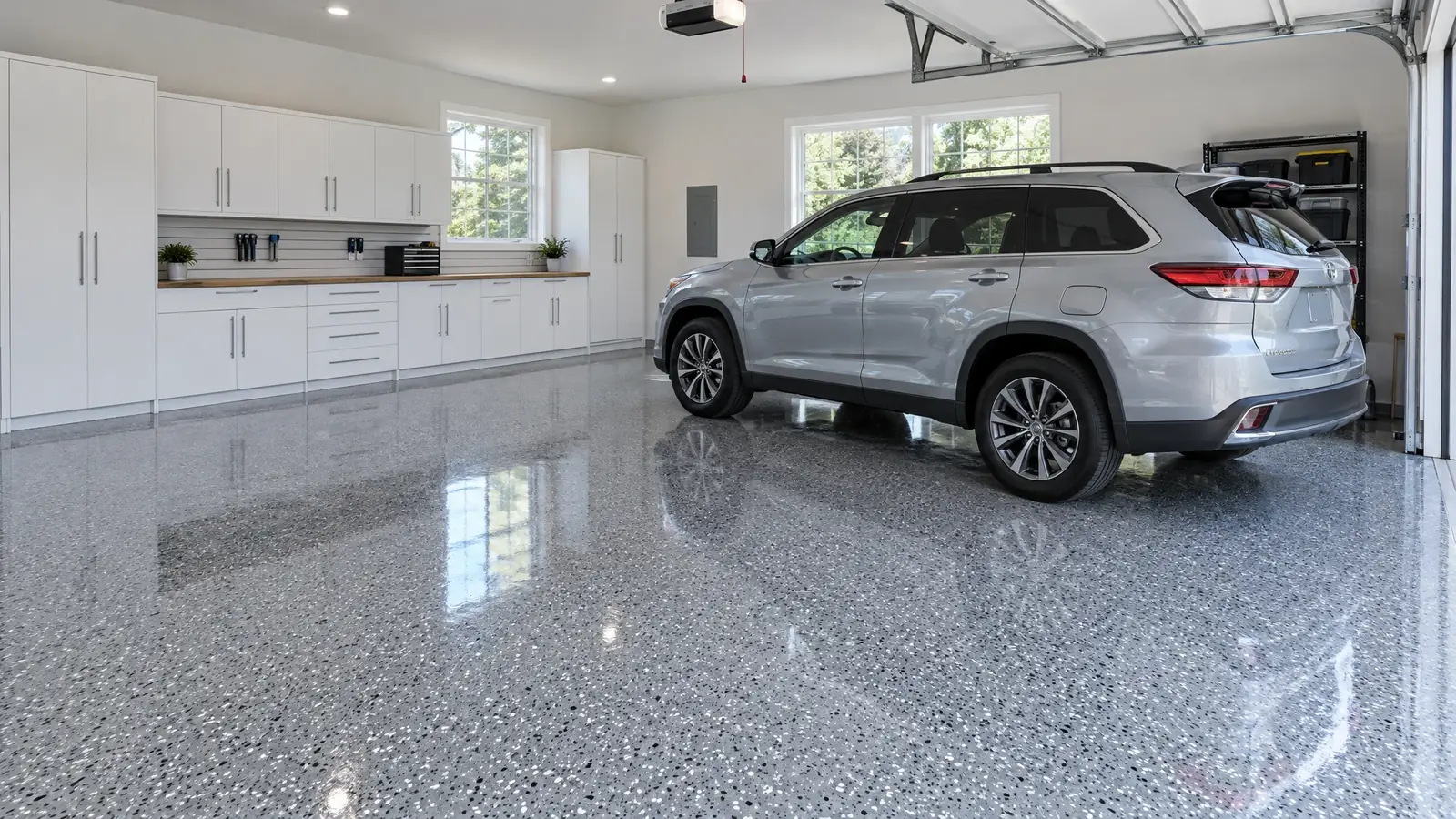
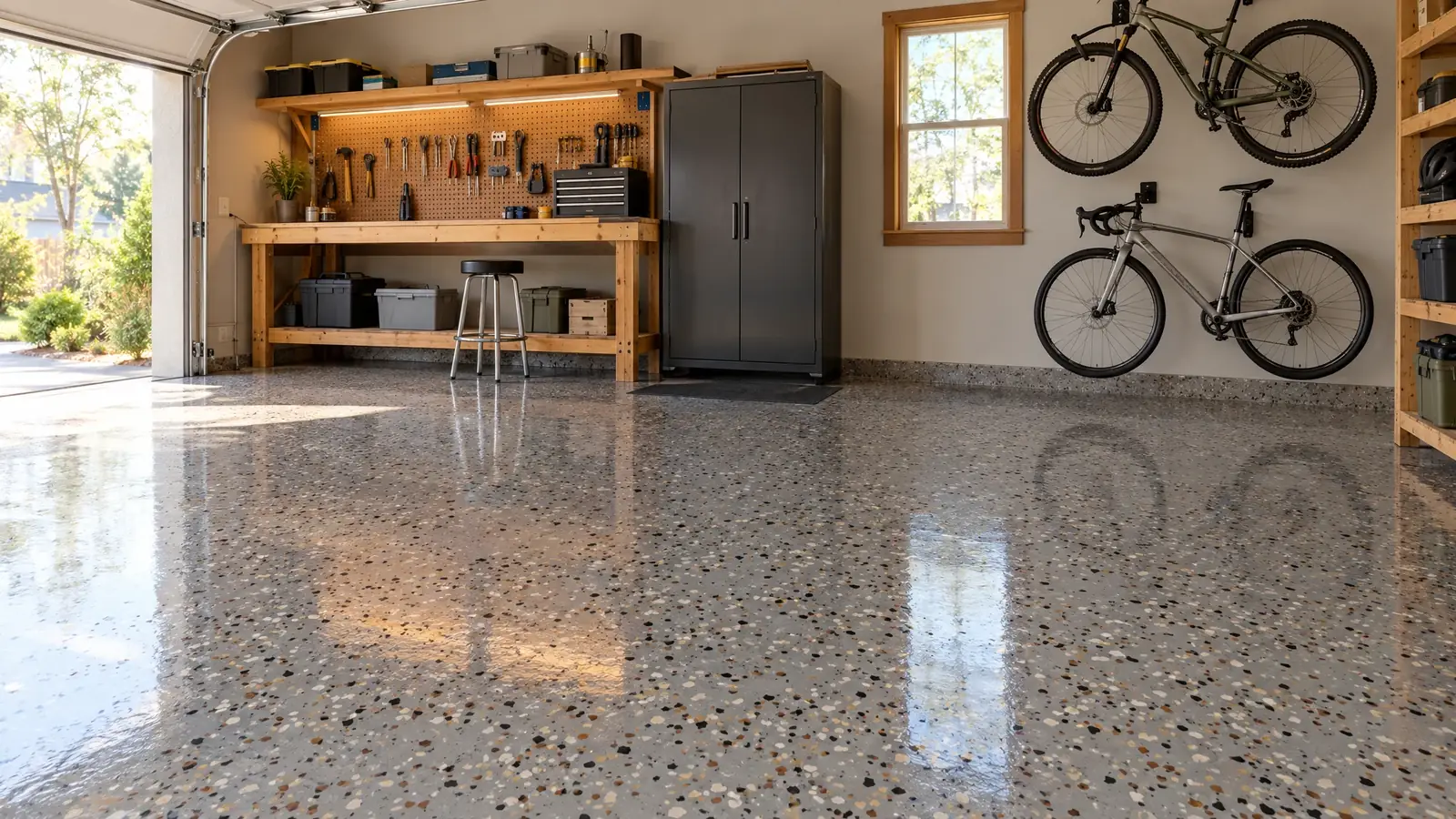
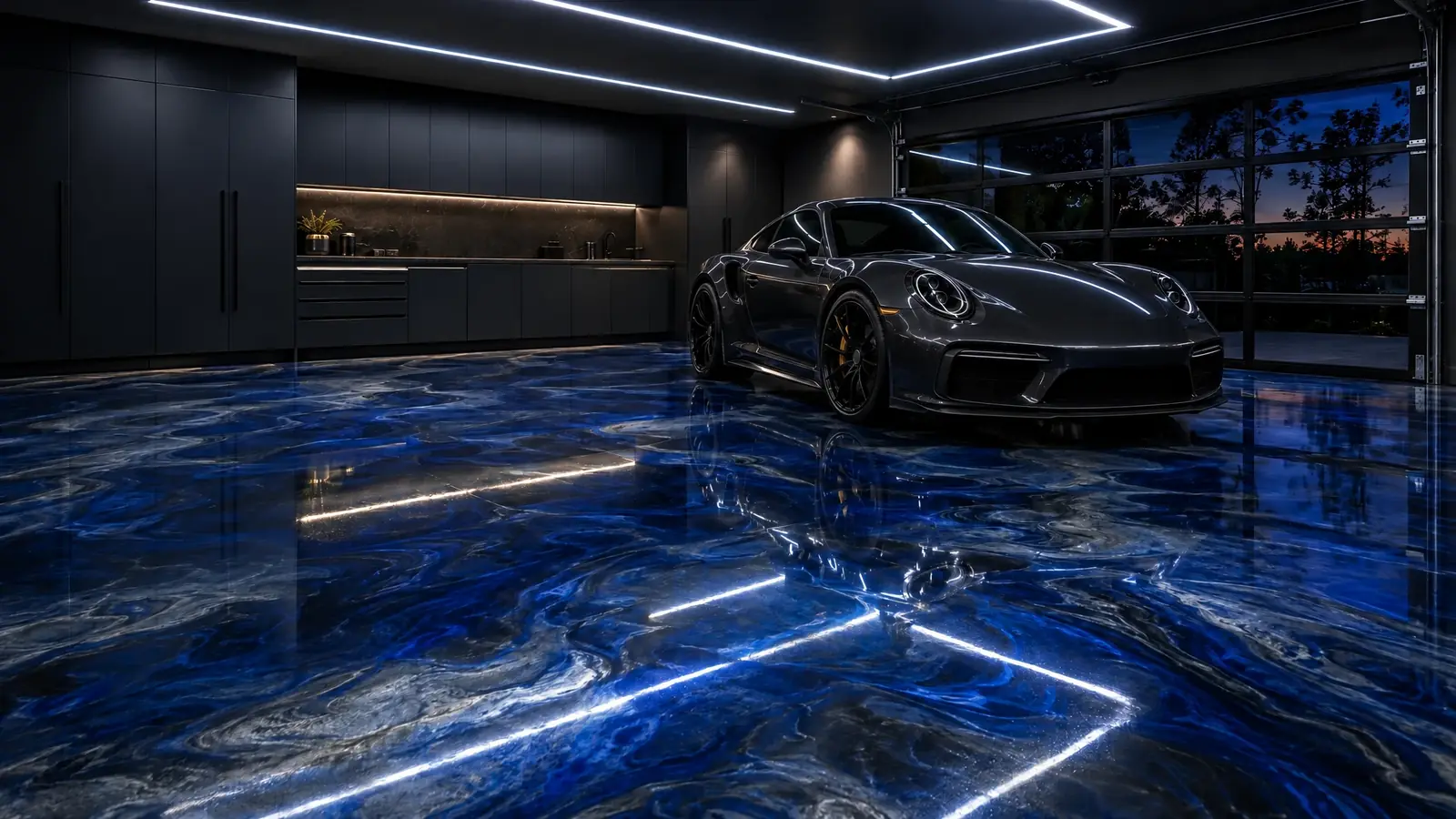
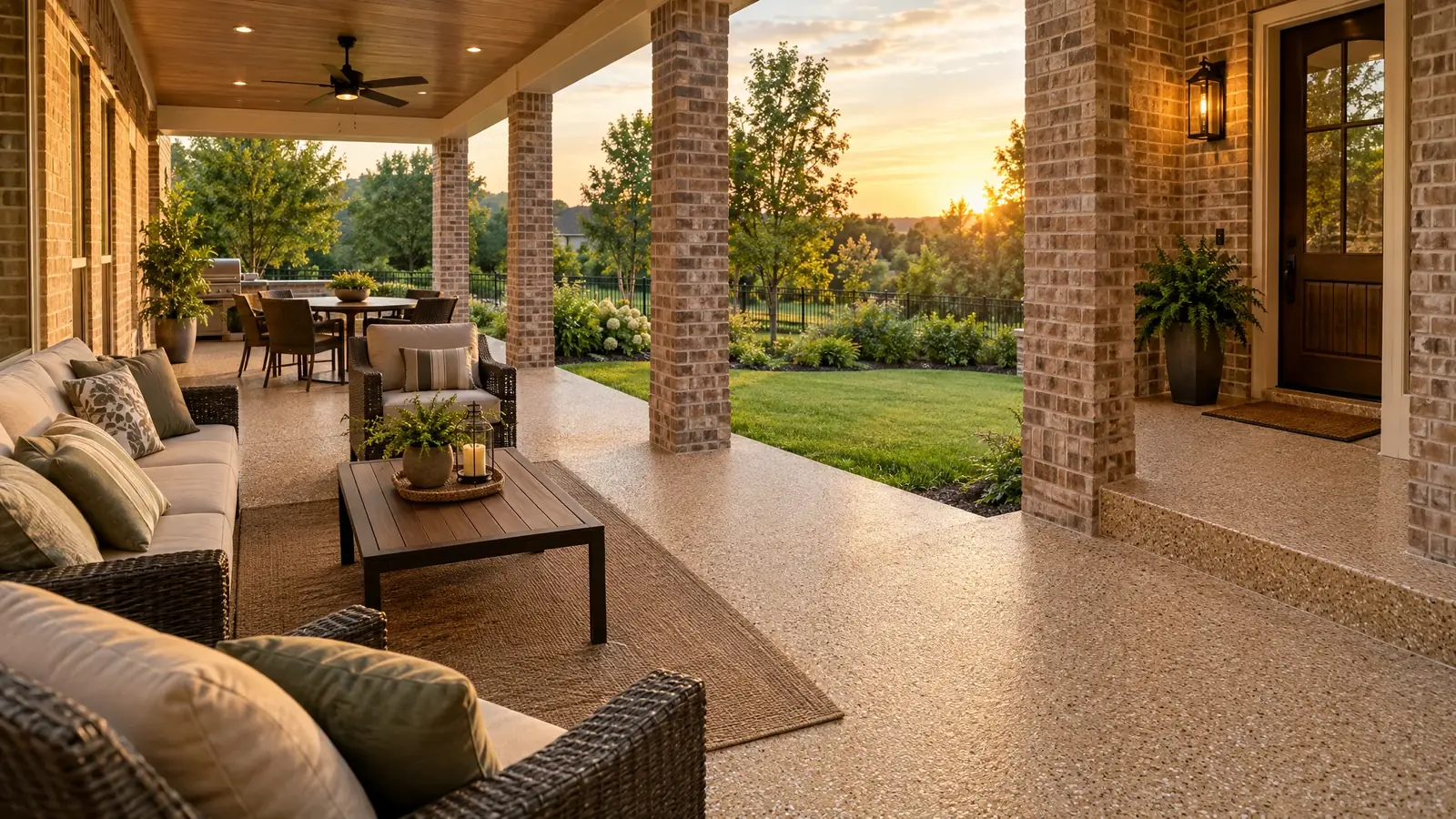
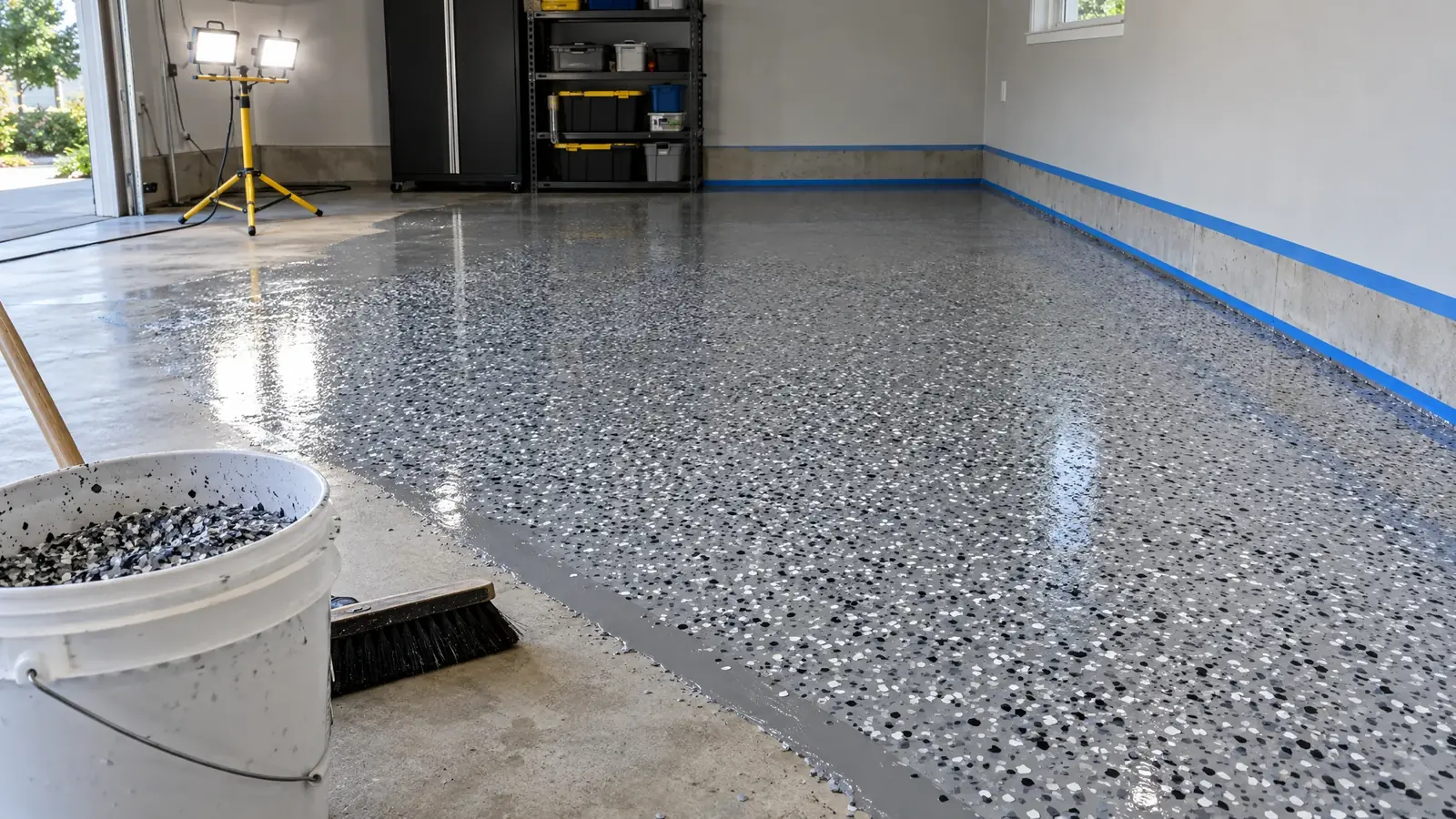
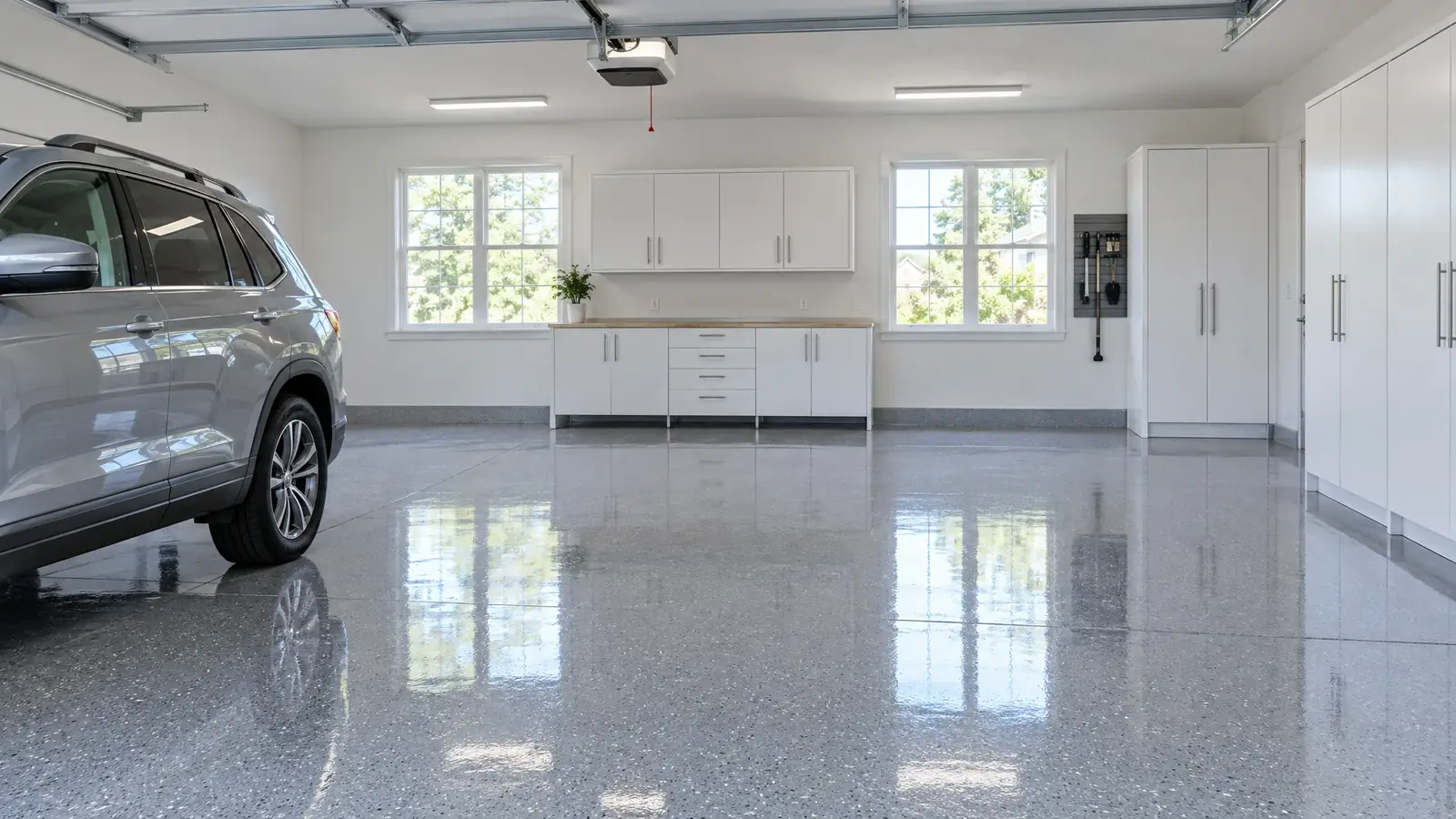
Polyaspartic is a fast-curing aliphatic polyurea known for crystal clarity, UV stability and excellent abrasion and chemical resistance. It cures in hours instead of days, so many garages can be coated and driven on far sooner than with traditional epoxy.
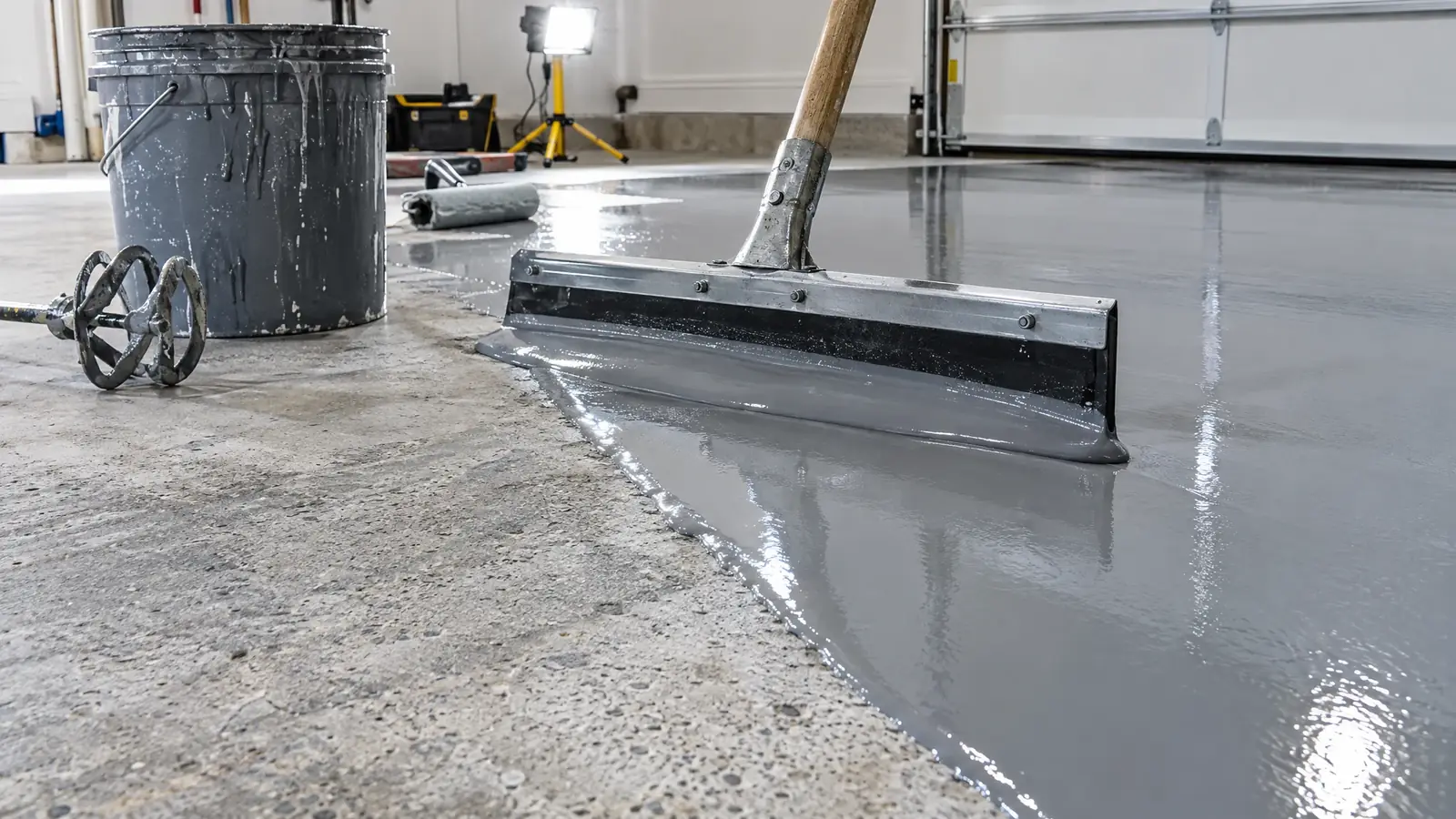
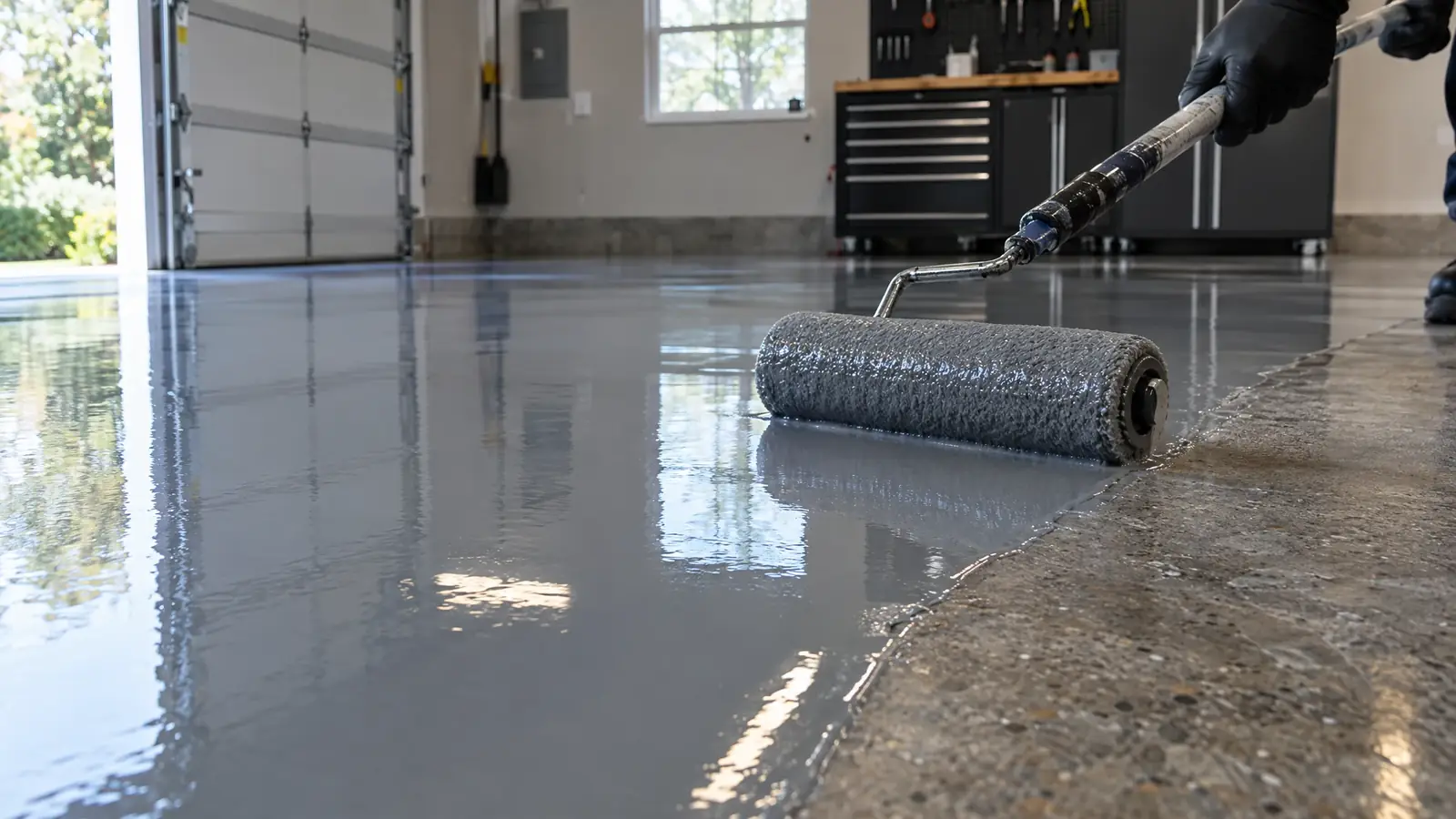
The trade-off is speed: polyaspartic sets up fast, so it demands an experienced crew and tight timing. That skill is what turns the chemistry into a flawless, glossy floor that stays clear in sunlight and shrugs off hot tires.
Stays clear in the sun
Aliphatic chemistry resists the amber shift that can affect some epoxies.
Back in service sooner
Fast cure shortens the wait before the floor is back to work.
Tough on hot tires and scuffs
Dense, abrasion-resistant film built for real garage life.
Wide install window
Many polyaspartic systems can be applied across a broad temperature range.
Performance profile
Polyaspartic by the numbers.
General, product-dependent guidance on how this chemistry typically performs. Longer bars are better.
Cure speed5/5
UV stability5/5
Hot tire resistance5/5
Flexibility4/5
Abrasion resistance5/5
Chemical resistance4/5
Moisture tolerance2/5
Value for money3/5
Decorative depth4/5
Ratings are general guidance, not product specifications. Your installer’s chosen products and your slab’s condition decide the real result.
They excel at different things. Polyaspartic wins on cure speed, UV stability and toughness, while epoxy wins on value and decorative build. Many of our best floors use both.
Is polyaspartic good for slabs with moisture?
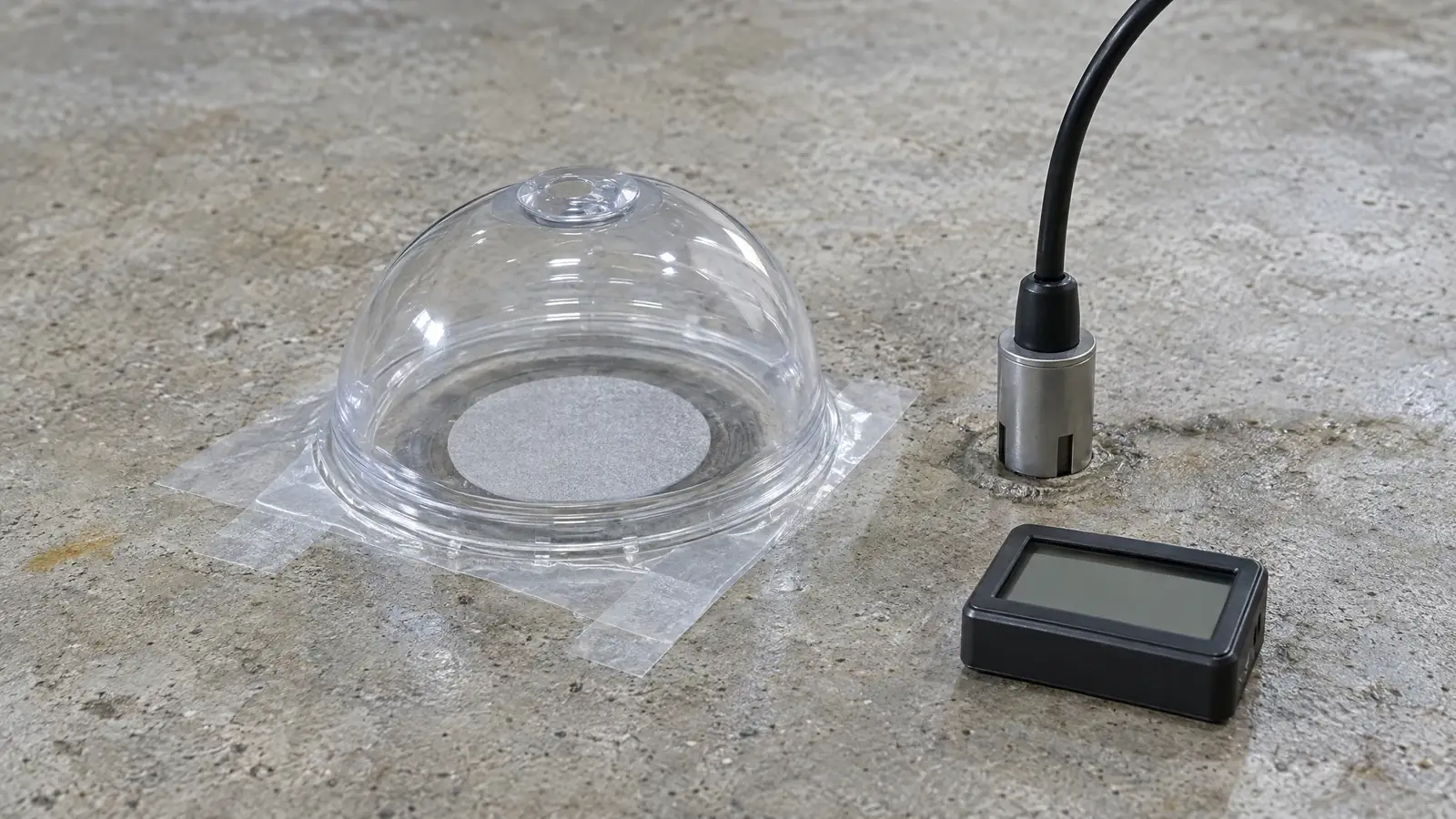
Moisture is the one place caution is needed. We test first, and if the slab is damp we recommend a moisture-mitigating primer or a different system.
How long until I can park on it?
Often within a day or two, depending on the product and weather. We give you exact times before we start.